“A VERY BRITISH HOME”
Interview Martin Murphy
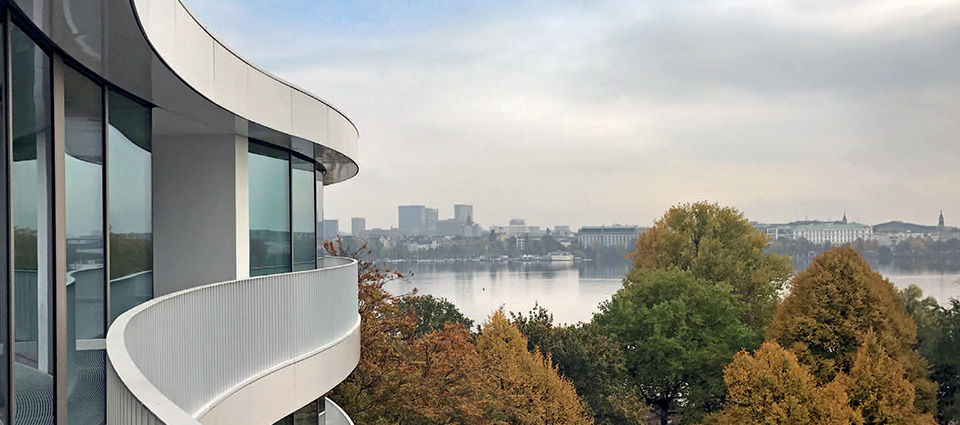
On his very own definition of home and what significance that “certain” place has for well-being in architecture. Villeroy & Boch spoke to the “Hamburg” architect of Hotel Fontaney.
Home for me is…
...an emotional term. It means something different to each individual – everyone describes and feels it differently. For me, home is the place where I was born into, where I grew up and which shaped me. No other place in my life is full of so many memories and emotions. With nostalgic feelings and sensory impressions – images, smells, sounds – and a feeling of familiarity and belonging.
Can you call two places home?
For me, Hamburg is my adopted home. I have been living and working here for 23 years. My children grew up here, it is the centre of my life. It's interesting, though, that the word “home” in English has different connotations, whereas German is more specific. In English, home can mean your dwelling as well as your homeland. I am English and say, Hamburg is my home. My roots are British.
The hotel industry often uses the phrase “home away from home”. Can architecture create a home?
I don’t think so, at least not according to my definition of home. What this phrase says to me is that it evokes positive feelings of home – for a place that provides comfort and trust. To simply feel comfortable where you are. Home as opposed to unfamiliarity, a temporary home.
What does this mean for hotel architecture?
The more complex and fast-paced our world becomes, the higher the need for identity and authenticity. The architecture of many international hotel chains doesn’t look any different in Hamburg than in Bangkok or Brisbane and makes it difficult to feel at home. When architecture doesn’t have a face or soul, it can’t create lasting memories and experiences. For me, a good hotel has character, expression and atmosphere. A connection to the place where it is located, its own unique story.
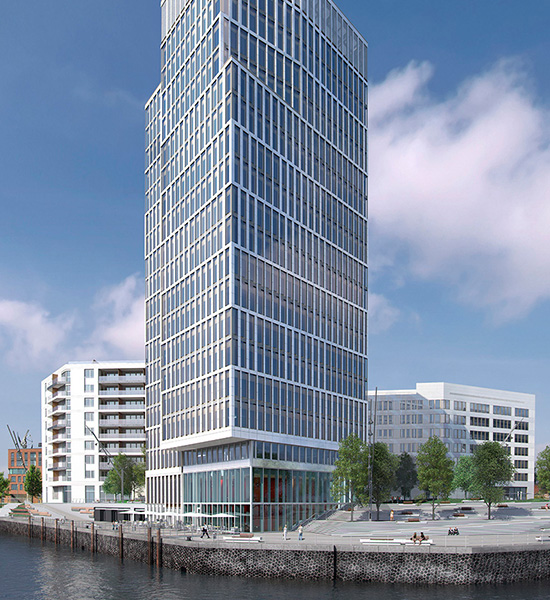
The right balance of respect for the history of the location is just as important as the courage to create something new and unique. This is the challenge for planners and the particular appeal of this construction project. I think we did this really well in projects such as the Kloster Haydau conference hotel, where a modern building was erected surrounded by Mediaeval structures, or the powerful stand-alone building of the new The Fontenay grand hotel.
How can you create the feeling of a “temporary home” in a hotel?
It’s important for me not to produce the concept of home in a stereotypical manner or with staged authenticity, but instead to develop an honest experience with the genius loci of the hotel. No one can feel at home in a façade.
What do you look for when you choose a hotel, where do you feel comfortable?
The Kloster Haydau hotel is a perfect example as the history of this special place was the decisive force in developing the architecture. The interaction between the historic and new structures created the motif for the interior design in an easy and natural way. It plays with the contrast between old and new, between monastic simplicity and contemporary comfort. And this resulted in a building that breathes peace and inspiration. In addition to the important first impression that greets you in the lobby, it's the private area that I find of great importance – especially the bathroom where the guest has the most intimate contact with the architecture. And if the lighting is right and exciting art stimulates my senses, then I can relax wonderfully.
Personal details:
Martin Murphy was born in Wallasey, UK in 1966. He finished his degree in London and Canterbury at Canterbury College of Art and Design in 1991. This was followed by a postgraduate course in architecture at the Politecnica de Madrid. After working at Christoph Ingenhoven Architekten in Düsseldorf, he joined Alsop & Störmer Architects, Hamburg in 1995 and has been a partner at Störmer Murphy and Partners since 2004.